Gutter Repair for Loose Downspouts and Poor Drainage

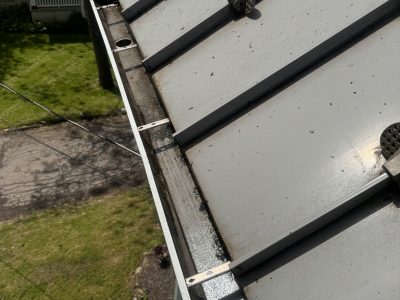
A gutter system rarely fails all at once. More often, it starts with small warnings that are easy to miss from the ground. A downspout rattles during a storm. Water spills over one corner instead of flowing to the outlet. A flower bed stays soggy long after the rain stops. Then the bigger problems arrive, sometimes quietly, sometimes with a stained fascia board, a washed-out mulch bed, or a damp basement wall.
Loose downspouts and poor drainage are among the most common reasons homeowners call for gutter repair, and they are also among Gutter Repair the most misunderstood. Many people assume the gutter itself is the problem when the real issue is somewhere lower in the system, at the straps, elbows, outlet, extension, splash path, or grading around the house. Others focus only on stopping the visible drip, without correcting the reason water is collecting where it should not.
A good repair does more than reattach a piece of metal or swap in a section of pipe. It restores control. Gutters are supposed to collect runoff at the roof edge, move it quickly to the downspouts, and discharge it far enough away that the foundation, siding, soffits, and landscaping stay protected. When any part of that chain breaks down, water starts acting like a demolition tool.
What loose downspouts usually mean
A downspout does not come loose for no reason. The fasteners may have backed out over time, but there is almost always a stress behind that movement. Sometimes the downspout is carrying more water than it was designed to handle because the gutter above is clogged or undersized. Sometimes the lower extension gets kicked, dragged by lawn equipment, or packed with debris and ice. Sometimes the straps were attached to rotted trim or old siding that no longer holds screws well.
On older homes, I often see a combination of minor issues that add up. A hanger loosens near the gutter outlet, the gutter starts to sag slightly, water ponds in that section, and the outlet connection stays wet for days at a time. That constant moisture accelerates corrosion or weakens sealant. Eventually the downspout joint shifts and the straps begin carrying loads they were never meant to handle. From the yard, it looks like the downspout is simply hanging loose. Up close, it is usually a symptom, not the root cause.
Vinyl systems can pull apart at seams because they expand and contract more noticeably with temperature swings. Aluminum downspouts may crease at the elbows after years of impact or ladder contact. Steel can rust through near the bottom where leaf sludge and Just Gutters LLC Gutter Repair standing water linger. Copper tends to hold up well structurally, but even copper can separate if the anchors are poorly placed or the wall substrate is failing.
That is why the first question in gutter repair should never be, “How do I fasten this back on?” It should be, “Why did it come loose in the first place?”
The drainage problem is often bigger than the gutter
Poor drainage around a home can begin at the roofline, but it does not always end there. Water leaving the downspout still needs a safe route away from the house. If that route is missing or blocked, the system is incomplete, no matter how clean or straight the gutters look.
I have seen houses with newly installed gutters and beautifully aligned downspouts still suffer from puddling near the foundation because the discharge ended only a foot from the wall. During light rain, that may seem acceptable. During a heavy storm, especially on a two-story roof plane, that short discharge can dump a surprising volume of water into one small zone. The result is trenching in the mulch, splash marks on brick, and settlement pressure around basement walls or crawlspaces.
Surface slope matters just as much. If the ground pitches back toward the house, downspout water will not stay where you send it. It may circle back, seep into window wells, or saturate the edge of a slab. A buried drain can solve part of the problem, but only if it has proper pitch, a reliable outlet, and protection against clogging. I have also seen buried lines create new headaches because no one checked whether they were crushed by a vehicle, blocked by roots, or tied into an overloaded storm line.
Drainage problems deserve a whole-system view. The gutter, the downspout, the extension, and the grade all have to work together.
Telltale signs that point to repair, not just cleaning
Sometimes a simple cleaning is enough. More often, loose downspouts and poor drainage signal a repair issue that cleaning alone will not fix. The visible clues tend to show up in patterns.
- Water marks or mildew on siding directly behind the downspout
- Soil erosion, displaced mulch, or exposed roots near the discharge point
- Screws pulling out of straps, elbows separating, or outlets dripping at joints
- Gutters that hold water after the rain has stopped
- Basement dampness or foundation staining below one roof section
Those signs tell you where to look, but not always what you will find. A wet patch at the foundation might trace back to a disconnected underground leader several feet away. A loose upper elbow may really be caused by a clogged lower elbow that forces water to back up. A downspout that shakes in the wind might simply need better bracing, or it might be attached to fascia that has started to rot from years of overflow.
Why overflow happens even when gutters seem clear
This is one of the more frustrating situations for homeowners. They look into the gutter, see no obvious mass of leaves, and assume the drainage path must be open. Yet the water still pours over the front edge or leaks from seams during every downpour.
Several conditions can create that scenario. Fine shingle grit often settles at the outlet and narrows it enough to slow flow without creating a full blockage. Strainers and guards can become matted with seed pods or roof granules that are hard to see from below. Gutters can also lose pitch over time, especially where spike-and-ferrule fasteners have loosened or where fascia has shifted. In that case, the system may appear clean but still trap water in a low section.
Roof geometry adds another layer. Valleys can concentrate runoff into one short stretch of gutter. A standard five-inch gutter may be adequate on most of the house but overwhelmed at that one impact zone. I have seen this often where a lower roof section receives water from an upper slope and the single nearby downspout cannot evacuate it quickly enough. The fix may involve adding a larger outlet, installing an additional downspout, or widening that run to six inches rather than simply resealing a seam that is leaking under stress.
Heavy rain can expose design limitations that stay hidden during ordinary weather. Good gutter repair accounts for peak flow, not just average conditions.
The most common repairs for loose downspouts
Once the underlying cause is clear, the repair itself usually falls into a few practical categories. The best choice depends on the condition of the materials, how the wall is built, and whether the existing layout makes sense.
Re-securing straps is the simplest repair, but it needs to be done with the right fasteners in solid backing. Screws driven into deteriorated wood or loose mortar will not hold for long. If the wall surface is brick or masonry, the anchor type matters. If the trim behind the strap is soft, the trim may need replacement before the downspout can be reliably fastened.
Joint repair is also common. Elbows and straight sections can pull apart, especially after impact or freeze-thaw movement. If the metal is still sound and the fit remains good, those joints can often be reassembled and secured with screws in appropriate locations, then sealed where needed. If the ends are distorted or corroded, replacement is usually the better option. Trying to salvage crushed elbows often leads to recurring leaks and poor appearance.
Outlet repair deserves special attention. The connection between the gutter trough and the top of the downspout sees a constant concentration of water. If the outlet is undersized, poorly cut, or deteriorated, the downspout below may never perform correctly. In some cases, enlarging or replacing the outlet brings a noticeable improvement in drainage without replacing the entire run.
Extension changes are frequently overlooked. A properly attached downspout that dumps too close to the foundation still leaves the property with a drainage problem. Extensions can be rigid or flexible, above grade or buried, temporary or permanent. The right choice depends on foot traffic, mowing patterns, winter conditions, and the available slope away from the house.
There are also situations where the best repair is partial redesign. If one downspout repeatedly loosens because it carries too much water, adding a second downspout can reduce stress on the whole section. That costs more upfront than another round of patching, but it often ends up cheaper than repeated service calls and moisture damage.
When poor drainage is really a grading issue
Not every water problem near a downspout can be solved with metal and screws. If the yard holds water or slopes toward the house, even a well-repaired gutter system may underperform. This is especially common on homes where landscaping was added after construction. New beds, edging, pavers, or decorative mounds can unintentionally trap runoff.
I once looked at a house where the owners had replaced three leaking downspout joints in two years. Each repair held briefly, then they noticed dampness again near the same corner. The gutter and downspout were not the true failure. A landscape border had created a shallow basin around the discharge point, and the soil there had compacted so tightly that water ponded and rose back against the foundation. The final fix involved extending the discharge farther out and reworking the grade of that bed. After that, the downspout stopped taking the blame for a ground-level drainage flaw.
Grading corrections do not always need heavy equipment. Sometimes the answer is modest, adding or reshaping soil to encourage positive slope, then protecting it with appropriate cover. In other cases, especially where hardscape traps water or the lot is naturally flat, a swale, catch basin, or underground drain may be justified. The key is matching the solution to the volume of water and the site constraints.
Materials matter more than many people think
When planning gutter repair, it helps to understand how different materials behave. Aluminum is popular because it is light, rust-resistant, and relatively easy to work with. It is also easier to dent than steel and can tear at fastener points if repeatedly stressed. Galvanized steel is stronger, but if coatings fail and moisture lingers, rust can become the deciding factor. Vinyl is inexpensive and corrosion-proof, but it tends to become brittle with age and temperature exposure. Copper is durable and attractive, though repairs require a different level of care and generally come at a higher cost.
Fasteners and sealants are just as important as the visible pieces. Mismatched metals can invite galvanic corrosion. Poor-quality caulk can harden, crack, and separate after a few seasons. Loose pop rivets or undersized screws may hold until the first serious storm. Thoughtful gutter repair is not glamorous, but the small choices are what determine whether the work lasts two years or ten.
A practical sequence for diagnosing the problem
Homeowners often want a quick answer, but a short inspection can save a lot of trial and error. The goal is to follow the water path from the roof edge to the discharge point and look for restrictions, weak connections, and signs of backflow or overflow.
- Check the gutter run for standing water, sagging sections, and debris near outlets
- Inspect the outlet and upper elbows for leaks, corrosion, or loose connections
- Follow the downspout to the bottom, checking straps, seams, and signs of blockage
- Observe where water exits and whether it moves away from the foundation
- Look at nearby soil, siding, and foundation surfaces for stains, erosion, or persistent dampness
That sequence sounds basic, but it catches the vast majority of residential problems. If possible, inspection during or right after a moderate rain tells you more than a dry-weather walkaround. You can see whether water shoots cleanly from the extension, dribbles from a seam, or overflows at one concentrated point. What matters is not just the condition of the parts, but how the system behaves under load.
Repair versus replacement
One of the most important judgment calls in gutter repair is deciding when to stop patching. A localized issue is often worth fixing. A loose downspout on an otherwise sound system should not trigger a full replacement. At the same time, repeated spot repairs on an aging, poorly pitched, heavily corroded setup can become false economy.
I usually think in terms of three questions. First, is the problem isolated or systemic? Second, are the surrounding materials solid enough to support the repair? Third, does the current design actually fit the roof and drainage demands of the house?
If the gutter run is straight, the fascia is sound, and the downspout has simply come loose at two straps, a targeted repair makes perfect sense. If multiple seams leak, the slope is inconsistent, the outlets are undersized, and the downspouts terminate in soggy beds beside the foundation, replacement or redesign may be more rational. Many homeowners hesitate at that point because a patch costs less today. That is understandable. But the money saved on short-term fixes can disappear quickly if water starts damaging trim, masonry joints, basement finishes, or landscaping.
Seasonal stress and why timing affects repairs
Loose downspouts often show up after seasonal transitions. Late fall clogs can pack a system with wet leaves and increase weight. Winter ice can split seams, pry apart elbows, or loosen straps from the wall. Spring storms then reveal the damage all at once. Summer brings its own wear, especially in regions with intense thunderstorms and high UV exposure that degrade sealants and plastics.
Timing matters because some repairs are more effective before the worst weather arrives. Refastening a shaky downspout in dry weather is easier than dealing with it after an ice event has bent the lower elbow. Clearing outlets and correcting pitch in early fall can reduce the risk of frozen backups in winter. Extending discharge before spring rains hit can prevent those annual saturated spots along the foundation.
There is also a safety point that deserves respect. Many downspout issues look reachable until you add a wet ladder, a sloped grade, overhead wires, or brittle roofing below. This is one reason homeowners sometimes underestimate the job. The repair itself may be straightforward, but access is not always simple.
Small details that improve long-term performance
The best gutter repair tends to include a few preventive upgrades while the system is already being worked on. That does not mean turning every service call into a large project. It means noticing where a small improvement can prevent the same failure from recurring.
A better strap location can reduce movement in a wind-prone corner. A more durable extension can keep discharge out of a planting bed that washes out every season. Replacing a restrictive elbow configuration with a smoother path can improve flow. Adjusting one low hanger near an outlet can stop water from standing where corrosion has already begun. These are modest decisions, but they reflect experience with how gutter systems age in the real world.
Leaf protection can help in some homes, especially under heavy tree cover, though it is not a cure-all. Some products reduce large debris but still allow fine sediment to accumulate. Others perform well until roof valleys dump enough material to blanket them in one storm. When guards are considered, the question should be whether they fit the roof type, debris load, and maintenance habits of the property, not whether they eliminate maintenance altogether.
What homeowners can do between service visits
Routine observation goes a long way. You do not need to become a gutter specialist to catch the early signs of trouble. Walk the perimeter during a rainstorm if it is safe to do so. Listen for drips where there should be flow. Notice whether one downspout gushes while another barely trickles. Look for fresh soil displacement, new splash marks, or a downspout that no longer sits tight to the wall.
Keep lower discharge areas clear. I have seen more than one drainage complaint traced to a perfectly good extension buried under leaves or blocked by a shifted splash block. If you have buried drains, occasional flushing or professional inspection can reveal developing clogs before they fail during a storm.
Most of all, resist the temptation to treat recurring water issues as cosmetic annoyances. Water is patient, and houses are full of materials that do not like staying wet.
Why proper gutter repair protects more than the gutters
People usually call for gutter repair because they see a visible problem at the roofline, but the real stakes are lower and broader. Effective drainage protects fascia boards, soffits, siding, windows, doors, foundations, crawlspaces, basements, and landscaping. It reduces the chance of slippery walkways, muddy beds, and moisture intrusion that leads to moldy smells indoors. It also preserves appearance. Few exterior problems make a home look neglected faster than streaking, splashback, or a downspout hanging away from the wall.
Loose downspouts and poor drainage are rarely glamorous maintenance topics, but they are exactly the kind of issues that reward prompt, thoughtful attention. A careful repair restores function, not just appearance. It takes the water where it belongs, keeps it moving, and prevents it from turning one rainy season into a string of expensive repairs.
When that happens, the payoff is quiet. No rattling elbow in the wind. No puddle beside the porch after every storm. No new stain creeping down the siding. Just a system doing its job, which is exactly what you want from gutters.
Just Gutters LLC
262 Main St
Hackettstown, NJ 07840, United States
Phone: +1 201-331-9454
FAQ About Gutter Repair
Is it cheaper to repair or replace gutters?
Repair can cost less when damage is limited and the remaining system is sound. Replacement may offer better value when leaks, corrosion, or repeated failures affect several sections. An inspection and written estimate can help compare the options.
Can damaged gutters be repaired?
Many localized problems, including leaking joints, loose brackets, sagging sections, and damaged downspout connections, can be repaired. The best approach depends on the material, extent of damage, and condition of the mounting surface.
Can I repair gutters myself?
Simple ground-level checks may help identify a problem, but roof-edge work carries fall risks and may require specialized tools. Professional assessment is advisable for high gutters, loose sections, hidden wood damage, or uncertain drainage problems.